这篇文章主要为大家详细介绍了Android Studio使用自定义对话框效果,文中示例代码介绍的非常详细,具有一定的参考价值,感兴趣的小伙伴们可以参考一下
Android Studio基础使用自定义对话框,供大家参考,具体内容如下
兼容低版本的APP运行

第一步:新建新的空白activity,布局XML设置如下
该APP的启动界面activity_main.xml

<?xml version="1.0" encoding="utf-8"?>
<LinearLayout xmlns:android="http://schemas.android.com/apk/res/android"
    xmlns:app="http://schemas.android.com/apk/res-auto"
    xmlns:tools="http://schemas.android.com/tools"
    android:layout_width="match_parent"
    android:layout_height="match_parent"
    tools:context=".MainActivity">

    <Button
        android:id="@+id/btn_single"
        android:layout_width="wrap_content"
        android:layout_height="wrap_content"
        android:text="显示单选对话框"/>
    <Button
        android:id="@+id/btn_alert_customer"
        android:layout_width="wrap_content"
        android:layout_height="wrap_content"
        android:text="自定义对话框"/>

</LinearLayout>
自定义的对话框item_alert_dialog的布局XML设置

<?xml version="1.0" encoding="utf-8"?>
<LinearLayout xmlns:android="http://schemas.android.com/apk/res/android"
    xmlns:app="http://schemas.android.com/apk/res-auto"
    xmlns:tools="http://schemas.android.com/tools"
    android:layout_width="match_parent"
    android:layout_height="match_parent"
    tools:context=".MainActivity">

    <Button
        android:layout_width="wrap_content"
        android:layout_height="wrap_content"
        android:text="自定义Dialog界面!"
        />
    <TextView
        android:layout_width="250dp"
        android:layout_height="250dp"
        android:background="@mipmap/ic_launcher"/>

</LinearLayout>第二步:在MainActivity.java中绑定布局xml

第三步:对话框实现抽象方式

package com.xwb.zdydhk;

import androidx.appcompat.app.AlertDialog;
import androidx.appcompat.app.AppCompatActivity;

import android.content.DialogInterface;
import android.os.Bundle;
import android.view.View;
import android.widget.Button;
import android.widget.Toast;

public class MainActivity extends AppCompatActivity implements View.OnClickListener {

    @Override
    protected void onCreate(Bundle savedInstanceState) {
        super.onCreate(savedInstanceState);
        setContentView(R.layout.activity_main);
        Button btn_single = findViewById(R.id.btn_single);
        btn_single.setOnClickListener(this);
        Button btn_alert_customer = findViewById(R.id.btn_alert_customer);
        btn_alert_customer.setOnClickListener(this);
    }
    @Override
    public void onClick(View v){
        AlertDialog.Builder builder = new AlertDialog.Builder(this);
        switch (v.getId()){
            case R.id.btn_single:
                builder.setTitle("单选对话框").setIcon(R.mipmap.ic_launcher).setSingleChoiceItems(new String[]{"中国", "德国", "日本"}, 0, new DialogInterface.OnClickListener() {
                    @Override
                    public void onClick(DialogInterface dialog, int which) {
                        Toast.makeText(MainActivity.this,"选中的"+which,Toast.LENGTH_SHORT).show();
                    }
                });
                break;
            case R.id.btn_alert_customer:
                //setView(R.layout.item_alert_dialog)为自定义的对话框,或图片等等
                builder.setTitle("自定义对话框").setIcon(R.mipmap.ic_launcher).setView(R.layout.item_alert_dialog);
                break;
            }
        AlertDialog ad = builder.create();
        ad.show();
    }
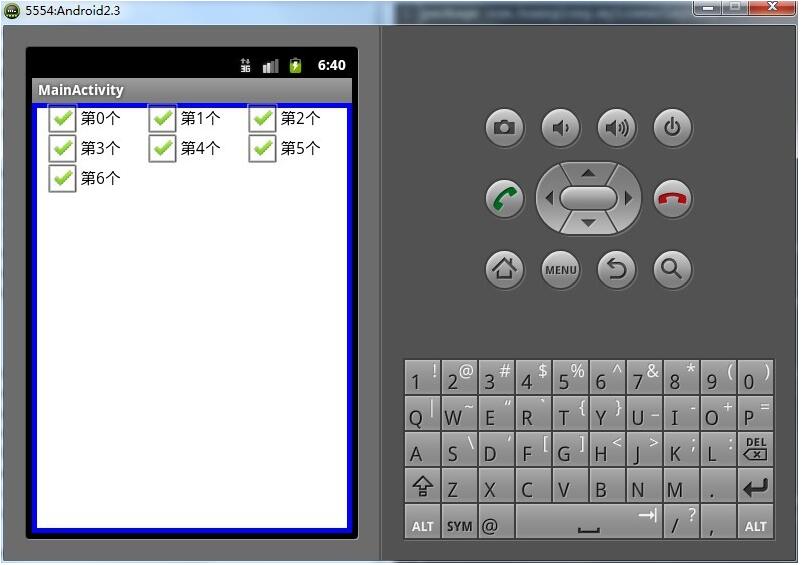
}第四步:运行APP效果

以上就是本文的全部内容,希望对大家的学习有所帮助,也希望大家多多支持编程学习网。
织梦狗教程
本文标题为:Android Studio使用自定义对话框效果


基础教程推荐


猜你喜欢
- Android多返回栈技术 2023-04-15
- Flutter手势密码的实现示例(附demo) 2023-04-11
- Android中的webview监听每次URL变化实例 2023-01-23
- 解决Android Studio突然不显示logcat日志的问题 2023-02-04
- Flutter绘图组件之CustomPaint使用详解 2023-05-12
- IOS应用内跳转系统设置相关界面的方法 2022-11-20
- IOS 播放系统提示音使用总结(AudioToolbox) 2023-03-01
- Android开发使用RecyclerView添加点击事件实例详解 2023-06-15
- iOS开发教程之XLForm的基本使用方法 2023-05-01
- android studio按钮监听的5种方法实例详解 2023-01-12